WHERE THE WORK BEGAN
The original Western Pennsylvania Youth Ballet was founded by Michael Villella in Oakmont, Pennsylvania, in 2012. In those early classrooms, the School began developing its own structured curriculum and syllabus through years of teaching, observation, questioning, and refinement.
That work was developed alongside Jillian Greis, WPYB’s Permanent Guest Faculty and Co-Developer of the WPYB Curriculum and Syllabus. Together, Michael and Jillian established a progressive framework with original exercises, defined technical benchmarks, and a carefully planned path from one level to the next.
The original WPYB students and families were an essential part of that development. Their trust gave the School the opportunity to grow, refine its methods, and turn a developing idea into a lasting teaching system. Today’s students benefit from what those first families helped build, and WPYB will always be grateful to them.
A CAREFULLY BUILT EDUCATION
WPYB teaches ballet progressively: one class, one correction, and one carefully developed skill at a time. Students are not hurried through vocabulary or advanced for the sake of appearances. They are given time to develop the coordination, strength, musical understanding, confidence, and physical readiness required for the work ahead.
The Primary Division draws upon the American Ballet Theatre® National Training Curriculum alongside WPYB’s own teaching approach. The Level Division follows WPYB’s original curriculum and syllabus, with each level building deliberately upon the one before it.
Building from the ground up, a step is never introduced before its individual parts have been understood. Students learn ballet from the inside out—not simply by copying its shapes, but by understanding how movement is organized and why each part of their training matters
SERIOUS TRAINING IN A JOYFUL CLASSROOM
The tone of a classroom begins with its teacher. At WPYB, humor, imagination, warmth, and laughter help children engage deeply with demanding work and take genuine pleasure in their progress.
Small class sizes allow WPYB’s faculty to know their students individually and to find the explanation, image, or approach that helps each child understand. This personal relationship between teacher and student is central to the classroom.
CHANGING LIVES THROUGH ART
Changing Lives Through Art is central to WPYB’s purpose.
Through the disciplined study of classical ballet, students develop confidence, resilience, concentration, responsibility, and the satisfaction that comes from seeing patient, sustained work take shape over time. These qualities belong to the student long after class has ended.
At WPYB, we believe that whether ballet becomes a student’s profession, a lifelong passion, or one important chapter in childhood, the education should travel with them.
WHAT WE CARRY FORWARD
One of ballet’s great strengths is that it is passed directly from one person to another, from one generation to the next. Every teacher carries knowledge received from their own teachers, who were themselves shaped by the teachers before them.
WPYB is part of that continuing accumulation of knowledge. The School carries what its faculty received from their teachers—including the influence of Marcia Dale Weary—along with the lessons learned in its original Oakmont classrooms and the discoveries made alongside its first students.
The children entering the School today are not beginning where WPYB began in 2012. They are beginning with everything the School has learned since.
The new Western Pennsylvania Youth Ballet is both a beginning and a continuation. It is a new School in a new home, but it is not a new idea. It is the version of WPYB made possible by everything that came before it: a place where excellent training remains personal, where high expectations are matched by genuine care, and where serious work can still be filled with joy.
About WPYB
A NEW CHAPTER
Western Pennsylvania Youth Ballet is opening in New Kensington, but the School itself is not a new idea. This is a new chapter in the work that began at the original WPYB in Oakmont, Pennsylvania, in 2012—and in a tradition of teaching that reaches back much further.
WPYB offers thoughtful, progressive classical ballet training in small classes where students receive individual attention, clear instruction, and the time necessary to understand their work. Here, seriousness and joy can and do coexist in the same classroom.
A NEW CHAPTER
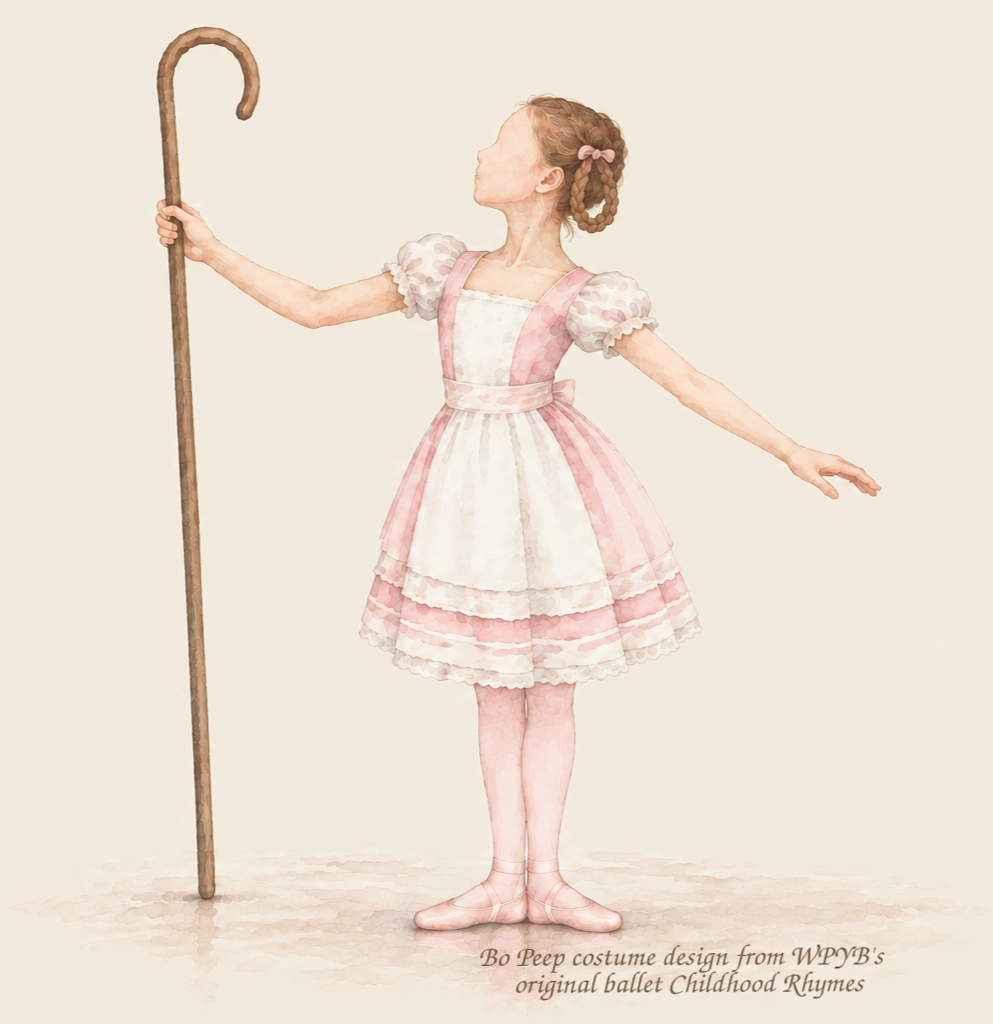
Western Pennsylvania Youth Ballet is opening in New Kensington, but the School itself is not a new idea. This is a new chapter in the work that began at the original WPYB in Oakmont, Pennsylvania, in 2012—and in a tradition of teaching that reaches back much further.
WPYB offers thoughtful, progressive classical ballet training in small classes where students receive individual attention, clear instruction, and the time necessary to understand their work. Here, seriousness and joy can and do coexist in the same classroom.
WHERE THE WORK BEGAN
The original Western Pennsylvania Youth Ballet was founded by Michael Villella in Oakmont, Pennsylvania, in 2012. In those early classrooms, the School began developing its own structured curriculum and syllabus through years of teaching, observation, questioning, and refinement.
That work was developed alongside Jillian Greis, WPYB’s Permanent Guest Faculty and Co-Developer of the WPYB Curriculum and Syllabus. Together, Michael and Jillian established a progressive framework with original exercises, defined technical benchmarks, and a carefully planned path from one level to the next.
The original WPYB students and families were an essential part of that development. Their trust gave the School the opportunity to grow, refine its methods, and turn a developing idea into a lasting teaching system. Today’s students benefit from what those first families helped build, and WPYB will always be grateful to them.
A CAREFULLY BUILT EDUCATION
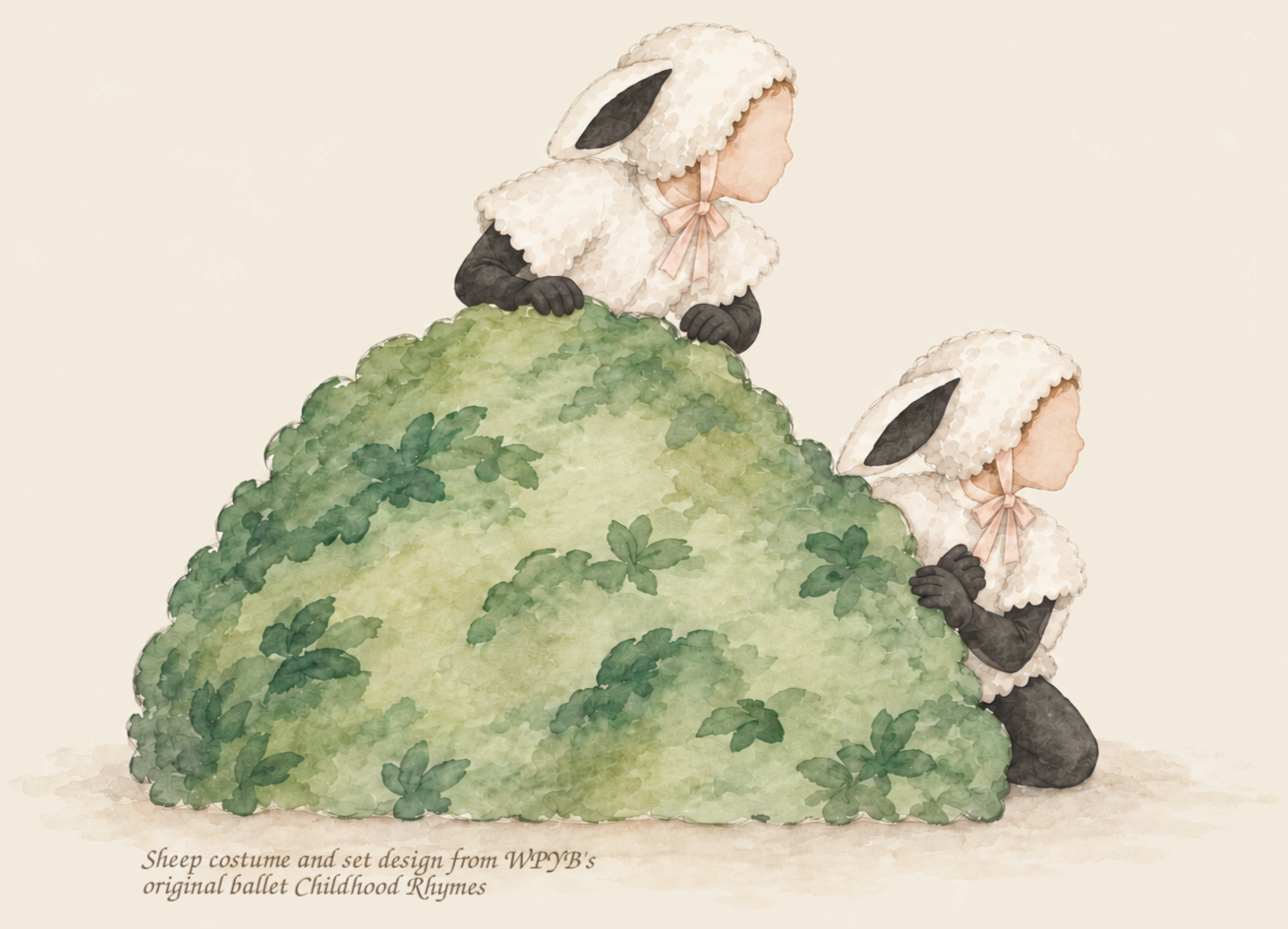
WPYB teaches ballet progressively: one class, one correction, and one carefully developed skill at a time. Students are not hurried through vocabulary or advanced for the sake of appearances. They are given time to develop the coordination, strength, musical understanding, confidence, and physical readiness required for the work ahead.
The Primary Division draws upon the American Ballet Theatre® National Training Curriculum alongside WPYB’s own teaching approach. The Level Division follows WPYB’s original curriculum and syllabus, with each level building deliberately upon the one before it.
Building from the ground up, a step is never introduced before its individual parts have been understood. Students learn ballet from the inside out—not simply by copying its shapes, but by understanding how movement is organized and why each part of their training matters
SERIOUS TRAINING IN A JOYFUL CLASSROOM
The tone of a classroom begins with its teacher. At WPYB, humor, imagination, warmth, and laughter help children engage deeply with demanding work and take genuine pleasure in their progress.
Small class sizes allow WPYB’s faculty to know their students individually and to find the explanation, image, or approach that helps each child understand. This personal relationship between teacher and student is central to the classroom.
CHANGING LIVES THROUGH ART
Changing Lives Through Art is central to WPYB’s purpose.
Through the disciplined study of classical ballet, students develop confidence, resilience, concentration, responsibility, and the satisfaction that comes from seeing patient, sustained work take shape over time. These qualities belong to the student long after class has ended.
At WPYB, we believe that whether ballet becomes a student’s profession, a lifelong passion, or one important chapter in childhood, the education should travel with them.
WHAT WE CARRY FORWARD
One of ballet’s great strengths is that it is passed directly from one person to another, from one generation to the next. Every teacher carries knowledge received from their own teachers, who were themselves shaped by the teachers before them.
WPYB is part of that continuing accumulation of knowledge. The School carries what its faculty received from their teachers—including the influence of Marcia Dale Weary—along with the lessons learned in its original Oakmont classrooms and the discoveries made alongside its first students.
The children entering the School today are not beginning where WPYB began in 2012. They are beginning with everything the School has learned since.
The new Western Pennsylvania Youth Ballet is both a beginning and a continuation. It is a new School in a new home, but it is not a new idea. It is the version of WPYB made possible by everything that came before it: a place where excellent training remains personal, where high expectations are matched by genuine care, and where serious work can still be filled with joy.